The German Exodus: Uncovering Where Germans Live in Spain, From Sun-Drenched Coasts to Bustling Cities
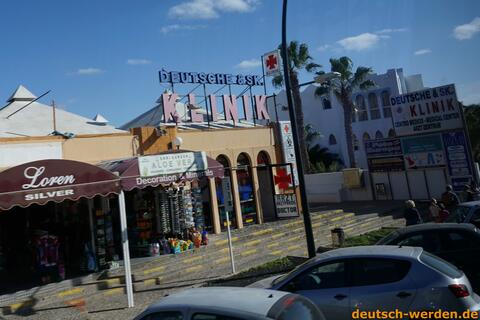
Spain has long captured the hearts of sun-seekers and culture enthusiasts from across Europe, and Germans are no exception. The allure of its vibrant lifestyle, stunning landscapes, and agreeable climate makes it a top destination for those seeking a change of scenery, a retirement haven, or new professional opportunities. But exactly where do Germans choose to lay down roots in this beautiful Iberian nation? And if you're asking the pertinent question, "Wieviele Deutsche Leben In Spanien?" – or "How many Germans live in Spain?" – the answer is as varied as the motivations driving them. While headlines often highlight the most popular tourist spots, the German presence in Spain extends far beyond holiday resorts. It's a dynamic community, constantly evolving, with individuals integrating into Spanish life in diverse regions. Understanding these settlement patterns offers a fascinating glimpse into the rich tapestry of expat life in Spain and why this particular demographic finds itself so at home here.The Evolving German Population in Spain: Official Counts vs. Reality
The first step in understanding where Germans live is to get a grasp on their numbers. Officially, according to EU statistics (via Germany's Federal Statistical Office), approximately 128,000 German citizens were permanently registered as residents in Spain at the beginning of 2024. This figure, representing those with a German passport and a declared domicile, marks a slight increase of about 1.8% from the roughly 125,800 recorded in 2023. Spain remains one of the most significant European destinations for German emigrants, following countries like Switzerland and Austria. However, the question "Wieviele Deutsche Leben In Spanien?" holds a more complex answer when one considers the broader picture. The official count often doesn't capture the full extent of the German presence. Unofficial estimates, which include long-term residents, those with second homes, and part-time residents who might not be officially registered for various reasons, suggest a significantly higher figure – potentially ranging from 300,000 to even 400,000 Germans living permanently or semi-permanently in Spain. This disparity highlights the challenge of tracking mobile populations and the sheer popularity of Spain as a second home destination. It's also worth noting the historical trends. Back in 2011, around 195,000 Germans lived in Spain, a number that saw a significant decline in subsequent years, perhaps due to the economic crisis in Spain. In recent years, however, the figures have stabilized somewhat above the 100,000 mark and are now showing a slight upward trend. This resurgence indicates renewed confidence and an ongoing draw for German expatriates. For a deeper dive into the exact figures and what they mean, explore our article on How Many Germans Live in Spain? 2024 Statistics Revealed.Coastal Charms and Island Havens: Where the Majority Settle
When pondering where Germans live in Spain, the image of sun-kissed beaches and Mediterranean villas immediately comes to mind for good reason. The vast majority of German expatriates gravitate towards Spain's stunning coastlines and islands. These regions offer the quintessential Spanish dream – glorious weather, beautiful scenery, and a relaxed pace of life.The Balearic Islands (especially Mallorca): Mallorca, often playfully referred to as Germany's "17th federal state," is undeniably the epicenter of German life in Spain. Officially, around 18,000 to 20,000 Germans are registered residents in the Balearics. However, during peak seasons or when accounting for part-time residents who own properties there, this number can swell dramatically to around 60,000 individuals. Areas like Palma, Calvià, Santanyí, and Artà are particularly popular, boasting well-established German communities, German-speaking services, and even German schools. The island offers everything from bustling tourist hubs to tranquil rural retreats, appealing to a diverse range of German residents, from retirees to families and remote workers.
The Costa del Sol (Andalusia): Stretching along the southern coast of Andalusia, the Costa del Sol is another prime destination. Towns such as Marbella, Estepona, Mijas, and Fuengirola host significant German populations. The region's excellent infrastructure, world-class golf courses, marinas, and year-round mild climate make it especially attractive to retirees and those seeking a luxurious lifestyle. The blend of traditional Spanish culture with modern amenities creates a comfortable environment for German expats.
The Canary Islands: Further south, the volcanic landscapes of the Canary Islands – particularly Tenerife and Gran Canaria – also attract a substantial number of Germans. Their unique geographical location ensures a "spring-like" climate year-round, making them ideal for those fleeing harsh European winters. Many Germans come here for health reasons, or simply to enjoy an active outdoor lifestyle that can be maintained throughout the year. Fuerteventura and Lanzarote also see a steady influx, particularly appealing to those interested in water sports like windsurfing and kitesurfing.
These coastal and island communities thrive on a strong sense of expat camaraderie, often providing a soft landing for newcomers with readily available German-speaking services, clubs, and social groups.Urban Hubs: A Magnet for Professionals and Students
While the coasts and islands draw those seeking sun and leisure, Spain's major metropolitan areas attract a different demographic of German expatriates: younger professionals, entrepreneurs, and students. Cities like Barcelona, Madrid, and Valencia are vibrant economic and cultural centers, offering a wealth of opportunities that cater to a career-focused or education-driven mindset.Barcelona: As a global city renowned for its innovation, arts, and dynamic economy, Barcelona is a significant draw. Germans in Barcelona are often found in sectors such as tech, marketing, hospitality, and design. The city's numerous international schools and universities also attract German students and families. While the exact number fluctuates, a substantial five-figure number of Germans are registered across these major cities, contributing to their diverse urban fabric.
Madrid: Spain's capital city, Madrid, offers a different kind of urban appeal. As the political and financial heart of the country, it provides abundant professional opportunities in finance, international business, and government relations. Madrid's vibrant nightlife, extensive cultural scene, and central location make it an exciting place for Germans looking to immerse themselves in Spanish city life while pursuing career goals.
Valencia: Valencia, a city that beautifully blends historical charm with modern innovation, is increasingly popular. Its growing tech scene, more affordable cost of living compared to Madrid or Barcelona, and proximity to beautiful beaches make it an attractive option for younger Germans seeking both professional growth and a high quality of life. The city’s strong focus on sustainability and its pleasant climate also contribute to its appeal.
Why Spain? Unpacking the Enduring German Appeal
The persistent question behind "Wieviele Deutsche Leben In Spanien?" is ultimately, "Why Spain?" The reasons are as diverse as the individuals themselves, but several recurring themes emerge, creating a powerful magnet for German expatriates:- The Irresistible Climate: Perhaps the most obvious draw is Spain's fantastic weather. The Mediterranean climate, with its long, hot summers and mild winters, offers a stark contrast to Germany's often grey and cold conditions. This allows for an active outdoor lifestyle year-round, contributing significantly to improved well-being and a more relaxed pace of life.
- Quality of Life and Lifestyle: Spain is synonymous with a relaxed, convivial way of living. The emphasis on family, social connections, good food, and a slower pace resonates deeply with many Germans seeking to escape the perceived stresses of modern life. The famous Spanish siesta culture, while evolving, symbolizes this appreciation for balance.
- Cultural Richness and Diversity: From the flamenco of Andalusia to the modernist architecture of Catalonia and the unique island traditions, Spain offers immense cultural diversity. This vibrant cultural tapestry, coupled with a rich history, provides endless opportunities for exploration and enrichment.
- Economic Opportunities and Infrastructure: Beyond retirees, Spain is increasingly attracting younger Germans looking for work or to start businesses. Sectors like tourism, gastronomy, renewable energy, and technology offer growing prospects. Spain's infrastructure, particularly in major cities and popular expat regions, is robust, with good transport links, modern healthcare facilities, and widespread internet access.
- Affordability (Relative): While not universally true, many find that the cost of living in Spain, particularly outside of prime city centers and tourist hotspots, can be more affordable than in Germany. This applies to housing, food, and social activities, allowing for a higher quality of life on a comparable or even smaller budget.
- Proximity to Germany: For many, Spain's relative proximity to Germany is a huge advantage. Regular and affordable flights make it easy to visit family and friends, maintaining vital connections.
Practical Tips for German Expats in Spain
For Germans contemplating a move to Spain, understanding the practicalities is crucial.- Residency and Registration: Officially registering your residency (residencia) and with the local town hall (padrón) is vital. This ensures access to public services, healthcare, and voting rights in local elections. Don't rely solely on unofficial estimates; formal registration provides essential protections and benefits.
- Language Learning: While many coastal and island areas have a strong German-speaking presence, learning Spanish is key to deeper integration, especially in urban areas or less touristy regions. Even a basic grasp can significantly enhance your daily life and interactions.
- Healthcare: As an EU citizen, you'll generally have access to Spain's public healthcare system once registered. However, many expats also opt for private health insurance for additional coverage and quicker access to specialists.
- Community Building: Seek out German expat groups and clubs, but also make an effort to connect with Spanish locals. A balanced social circle enriches the experience and aids in cultural immersion. Websites and social media groups are great starting points.
- Financial Planning: Consult with a financial advisor regarding tax implications in both Germany and Spain, especially concerning pensions, investments, and property ownership.